
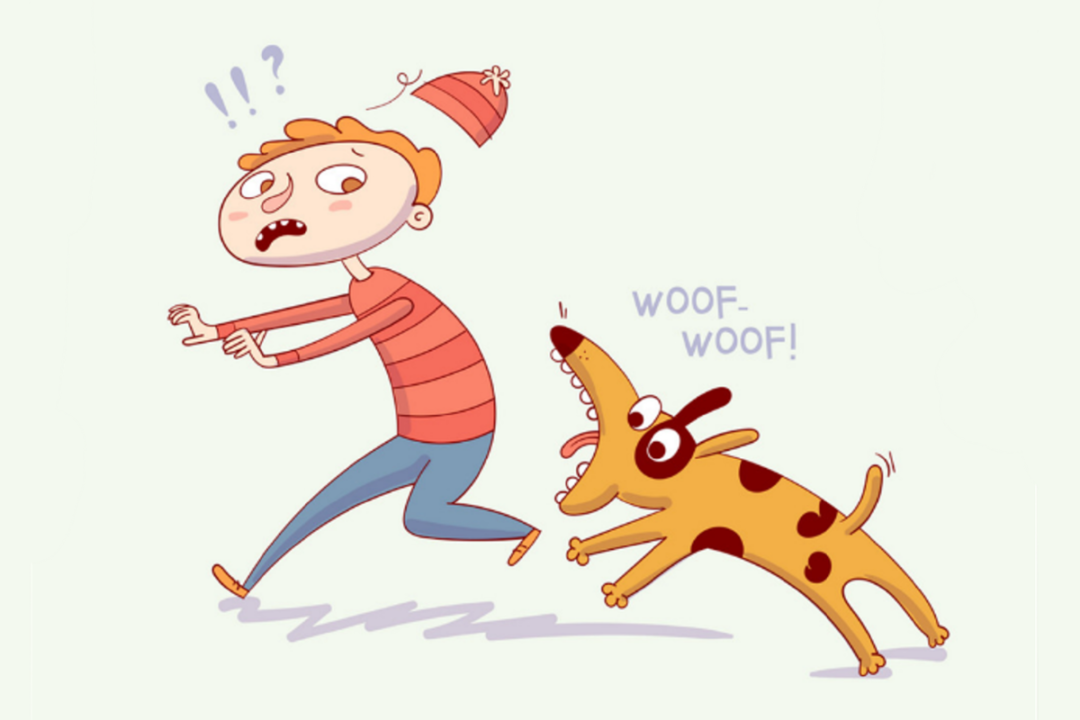
In many urban neighbourhoods, the story follows a familiar pattern. A group of street dogs begins barking, chasing, or lunging at passersby. Fear spreads. Complaints rise. And very quickly, one word starts circulating:
“Aggressive.”
Once that label sticks, the next step often feels obvious: “These dogs should be removed and sent to a shelter.” But what if that instinctive response is not only ineffective, but actually makes the problem worse?
Why Sheltering Is Not the First Answer
Sending a healthy street dog to a shelter may feel like a quick fix, but it often fails for several reasons.
First of all, there are no sufficient shelters to rehome even 10% of all community dogs in India. Existing shelters are overburdened, underfunded and often animal welfare is severely compromised, leading to health risks not only for the animals, but also for people through potential outbreaks of zoonotic diseases.
Secondly, sending community dogs to shelters often fails because:
- The original community or environmental dynamics remain unchanged, and root causes are not addressed. Other community dogs may start reacting as well and new (unknown) dogs may fill up the vacuum left by removed dogs.
- Dogs get disrupted from familiar territory, which is often their primary source of security and stress increases in shelters. This likely worsens the “cup full” response of dogs, if not in the facility itself then upon return – unless sufficient time and space is given to the dog to decompress.
Most importantly: if the environment caused the problem, removing the dog does not solve it.
A Shift in Perspective
What if, instead of asking: “How do we remove aggressive dogs?” We started asking: “What is happening in this environment that is making dogs struggle?” This shift changes everything.
The Problem with the Label “Aggressive”
What we often call “aggression” is rarely a personality trait. It is communication. Dogs bark, growl, or lunge because something in their environment—or internal state—is overwhelming them. These are communication signals, which we can act upon in different ways to help the dog cope better with stress.
In fact:
- Street dogs are by nature conflict-avoiding, because dog fights and conflicts with humans can lead to injuries which they can potentially succumb to.
- Barking, growling, or even snapping are often warnings or so-called “distance creating signals”, through which a dog basically asks for more space.
- A single bite incident is usually defensive or situational, not to be mistaken for a personality trait of a “dangerous dog”.
- True aggression by dogs in the sense of intended harm is rare and defined by repeated, verified bite incidents – even after interventions.
Yet in real life, these distinctions are rarely made. Instead, the label becomes the diagnosis, and removal becomes the solution.
What Is Actually Happening: The “Full Cup”
A more useful way to understand behaviour is through what Sindhoor Pangal (anthrozoologist, canine behaviourist and free-living dog expert, BHARCS Director) calls the “cup analogy.”
Sindhoor and her graduate Anushree Thammanna (BHARCS certified canine behaviour consultant and applied ethologist with practical free-living dog experience) explained the “cup analogy” during our Stray Buddy Café meetups in December 2025 and March 2026.
In short: every dog carries an “emotional cup” that fills up over time with adrenaline and cortisol through stress, fear, excitement, frustration.
When the cup overflows, behaviour escalates. Often caregivers of community dogs start analysing what it was that made this dog react in such an “aggressive” way in that very instance: was the free flowing ‘dupatta’ or shawl of the maid who walked by the trigger, or the Zomato delivery guy on that electric scooter or that speeding car or does the dog simply not like people in uniform?
But the key insight is this: Escalations are never sudden. The trigger is not the problem. The dog’s emotional cup had been filled over time. A random trigger in that moment – whatever it was – turned out to be the drop that made the full emotional cup overflow.
So instead of asking, “Why did the dog lunge?” we should be asking: “What has been filling this dog’s cup over time?”
What Fills the Cup: Understanding Everyday Stressors
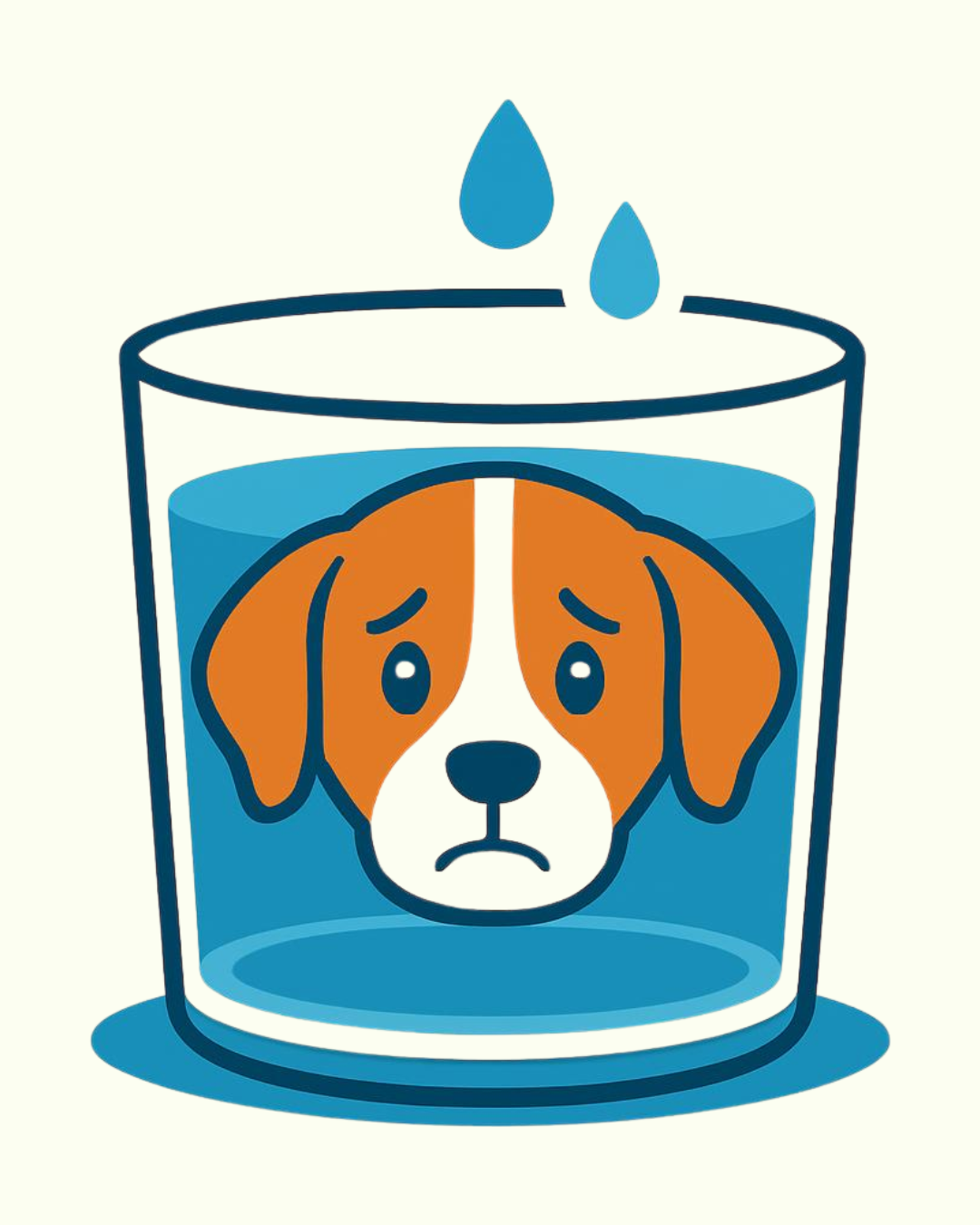
What we often miss is everything that has been quietly “filling the cup” long before a visible incident occurs. A street dog’s day can be full of small but cumulative stressors:
- Being repeatedly chased away or shouted at.
- Navigating constant traffic and loud construction noise
- Competing for limited or unpredictable food.
- Being repeatedly disturbed while resting (e.g. under cars).
- Dealing with untreated pain or illness.
Even positive excitement—like the anticipation of feeding or the arrival of a favourite caregiver—adds to this load. Living in crowded spaces with no safe exit routes, being approached directly by unfamiliar people, or protecting puppies can further heighten this pressure.
Over time, these “cup fillers” accumulate, and when the threshold is crossed because the dog has not been able to regulate themselves to “drain” their emotional cup sufficiently, even a minor trigger can lead to barking, lunging, or a bite—not because the dog is inherently aggressive, but because its capacity to cope has been exceeded.
What Actually Works: Solutions to “Drain the Cup”

Most conflict situations can be resolved locally (in-situ) without removing the dogs. Effective interventions to help dogs strengthen their rest and digest response to “drain” their cup and self-regulate their emotions better include:
- Stabilizing Resources
- Regular, adquate feeding
- Predictable routines
- Reduced competition
- Improving Sleep & Rest
- Quiet, safe resting spots
- Reduced disturbance
- Better recovery → lower reactivity
- Managing Space
- Avoiding narrow, high-pressure areas
- Creating distance from triggers
- Addressing Health
- Treating pain, illness, parasites
- Ensuring sterilisation and vaccination
These are not isolated actions on the dog side—they work as a system. And when applied in combination, situationally and locally, they regulate behaviour at its source.
A Real Case: From Conflict to Calm in Saket
In a residential colony in South Delhi, six dogs—Chilli, Oldie, Pepper, Pinku, Pantar and Saint—were labelled as a “problem pack.” Residents reported:
- Barking and chasing
- Snapping incidents
- Night-time disturbance
- Growing fear across the community
The pressure to “remove the dogs” was mounting. But instead of relocation, the community—supported by Stray Buddy—tried something different. They didn’t remove the dogs. They changed the environment.
They:
- Moved feeding away from entrances and into structured, predictable spaces
- Improved nutrition and consistency
- Created safe resting zones using simple materials
- Ensured health care and vaccinations
- Reduced human-triggered stress through awareness and behaviour change
Within weeks:
- Barking reduced
- Chasing stopped
- No further aggression incidents were reported
- Community perception improved significantly
The dogs didn’t change. Their environment did.
When Is (Temporary) Sheltering Appropriate?
There are rare cases where relocation or permanent sheltering may be necessary. But these should only be considered when:
- There are repeated, verified serious bite incidents
- Medical, behavioural, and environmental interventions have already been tried
- The behaviour persists despite these efforts
In other words: Sheltering is a last resort—not a first response.
The Takeaway
Healthy street dogs labelled as “aggressive” are often:
- Stressed
- Sleep-deprived
- Resource-insecure
- Overstimulated
- Misunderstood
And most importantly:
They are responding to the environment we share with them. Before we remove them, we owe it to both people and dogs to try something better:
Fix the system, not the symptom.
Because when we move from control to regulation, from reaction to understanding, we discover something powerful:
Coexistence is not only possible—it is practical and leads to better outcomes.
Thank you for writing this informative article. God bless