
From fear to harmony: A Delhi neighbourhood's journey with street dogs
The main character of this story is actually not a dog. But the community of DDA Saket A & C SFS block. This is where we meet Chilli, Oldie, Pepper, Pinku, Pantar and Saint, 6 community dogs. DDA Saket A & C Block is a middle-class residential neighborhood in South Delhi, home to approximately 380 households. The colony features typical low-rise apartment blocks arranged along narrow internal lanes, bordered by pedestrian and vehicular gates. These gates see regular movement throughout the day, with domestic workers, delivery personnel, children, senior citizens, and residents walking or cycling in and out.
Like many Delhi colonies, the community has open common areas, boundary walls, and back lanes that become shared spaces between residents and free-living street dogs. In the winter of 2022, the dog population in the community stood at around 20 dogs, a mix of male and female, young and old, who often lounged near the entrance gates or in shaded nooks along internal paths and in between the buildings.
The layout of the colony – close-knit blocks and high foot traffic brought dogs into frequent contact with people. While some residents were familiar with the dogs and regularly fed and interacted with the dogs, others were wary or afraid. These dynamics set the stage for a human-animal conflict situation that needed thoughtful intervention, particularly next to Gate No.2 where a growing concern around a ‘pack of dogs’ started to take shape.
The Problem
-
- Increasing incidents about a ‘pack of dogs’ barking, chasing, and lunging at people. This pack included Chilli, Oldie, Pepper, Pinku, Pantar and Saint.
- Reports of snapped dupattas, chasing domestic staff, one or two incidents of a dog bite and a growing fear among residents
- Night time was particularly difficult – these dogs barked constantly, alerting and guarding the area against dogs from the other side of the gate, occasionally chasing scooters or motorcycles, and disturbing residents’ sleep.
The RWA (Resident Welfare Association) began receiving repeated complaints and was under pressure to act swiftly.
Stray Buddy, a group of individuals with hands-on experience in managing community dogs collectively, involving those representing residents welfare associations as well as colony animal caretakers and feeders, was already collaborating with the Saket A & C community to control their free-living dog population, eradicate rabies, and reduce perceived dog nuisance in their community, all within the framework of the law.
At the time of these complaints, the RWA executive who pro-actively led and coordinated these efforts, urged the Stray Buddy team to respond to the matter of these 6 dogs on priority and in the spirit of their program, increase awareness of residents on how to handle the situation and collectively find solutions that foster both dog and human safety.
As part of the positive and systematic approach that’s core to how they work, the Stray Buddy team had already helped the local caregivers to map their community dogs, create online dog profiles with statistics on sterilisation and vaccination status, helped think through a collective feeding arrangement, conducted welfare checks for all the dogs and started digging deeper into the health and behaviours of these dogs. As a result of detailed interactions with residents, in-person observations and joint fact-finding exercises, they were able to put information together and experiment with interventions, based on the following recommendations.
The Recommendations
Under the leadership of a proactive RWA Executive and the guidance of the Stray Buddy team, a multi-pronged, community-inclusive intervention was launched:
Building awareness in a solution-oriented community
-
- A WhatsApp group was created, bringing together 20 odd residents, which included a mix of dog caregivers and those unfamiliar with dog behaviour alike.
- The RWA Executive encouraged constructive conversations, with a focus on education, awareness and collective problem-solving.
- Educational content was shared in an interactive manner to explain why dogs chase or bark at humans.
Deep diving into dog behaviour & unmet needs
-
- Observation rounds were conducted by the RWA Executive, a community caregiver, and interested residents, facilitated by the Stray Buddy team.
- Questions explored included:
- What is the health status of the dogs?
- Where are the dogs eating?
- Who is feeding them?
- Are they getting adequate nutrition?
- What is their sleep and health status?
Structured feeding interventions
-
- Feeding was moved away from doorsteps of homes to designated feeding points on the boundary walls of a compound.An external feeder was hired with pooled community donations, serving more nutritionally appropriate food (e.g., chicken and rice).
- Feeding schedules and locations were made consistent and separate from common human pathways.
Sleeping solutions & safe spaces for resting
-
- Dogs were not sleeping well at night, contributing to nighttime barking and pack behavior.
- A mobile road barrier (used to manage traffic and block off roads) was placed to demarcate a secure rest area where the dogs usually rested.The RWA Executive even began repurposing scrap metal to make dog sheds, though due to resident resistance, a shed was not feasible to be placed in teh area near gate No. 2 and the focus shifted to less intrusive sleeping solutions.
- Mattresses were placed in the blocked off area initially and later in quieter corners and narrow backlanes, offering dogs a safe, warm resting place – critical during winter time in Delhi
Health & welfare support
-
- Deworming, tick & flea treatments, and regular welfare checks were conducted.
- Preventative healthcare was prioritized to improve overall dog wellbeing, reducing stress-induced aggression
- Vaccination drives were organised to ensure public health and safety as well as animal welfare.
Communication & transparency
-
- Open dialogue with residents by the RWA coordinator helped manage expectations and build trust.
- Regular updates on dog behaviour and health were shared in the caregiver WhatsApp group.
- Progress on the overall plan was shared with all residents.
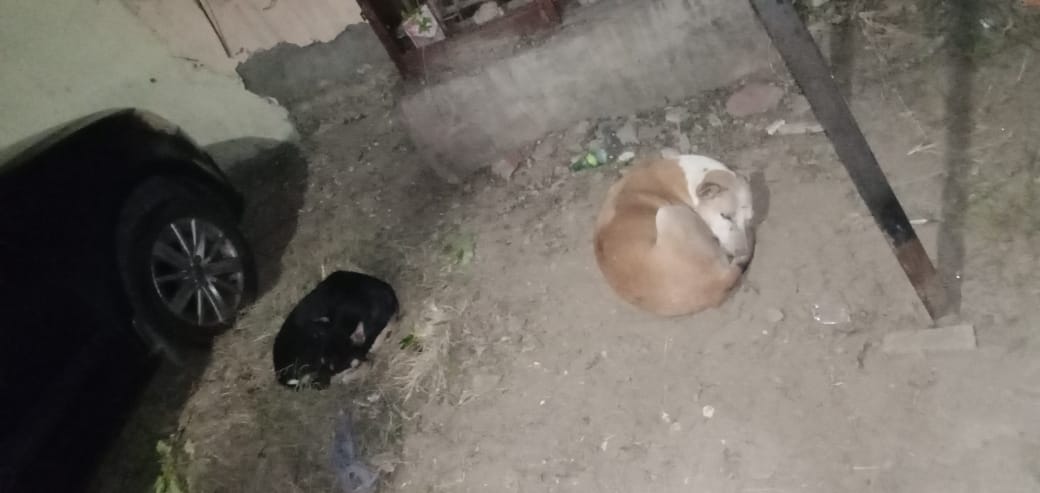
How the dogs would sleep before in peak winter
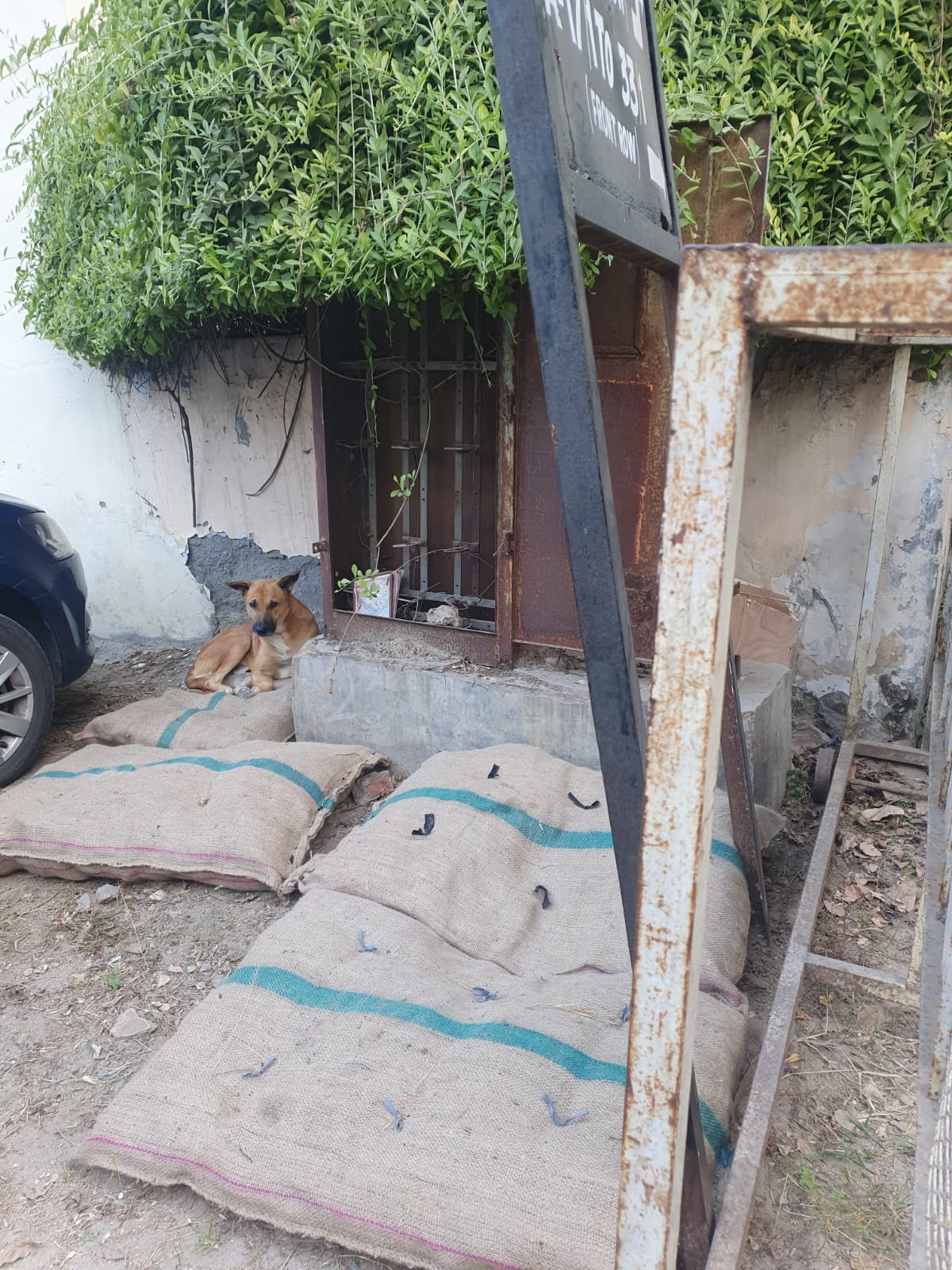
Access to comfortable bedding made a tremendous difference to the quality of rest and sleep
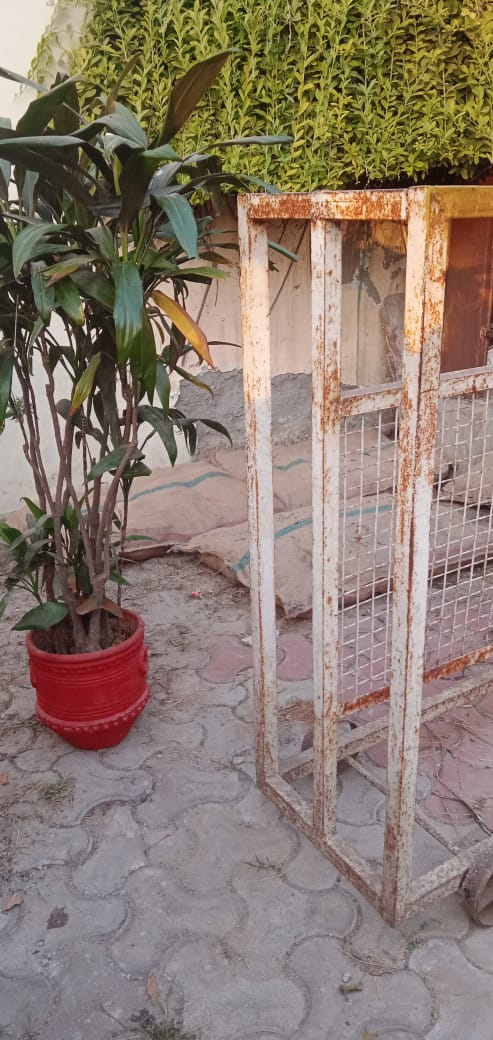
A road barrier was used to physically secure the dogs’ resting spot
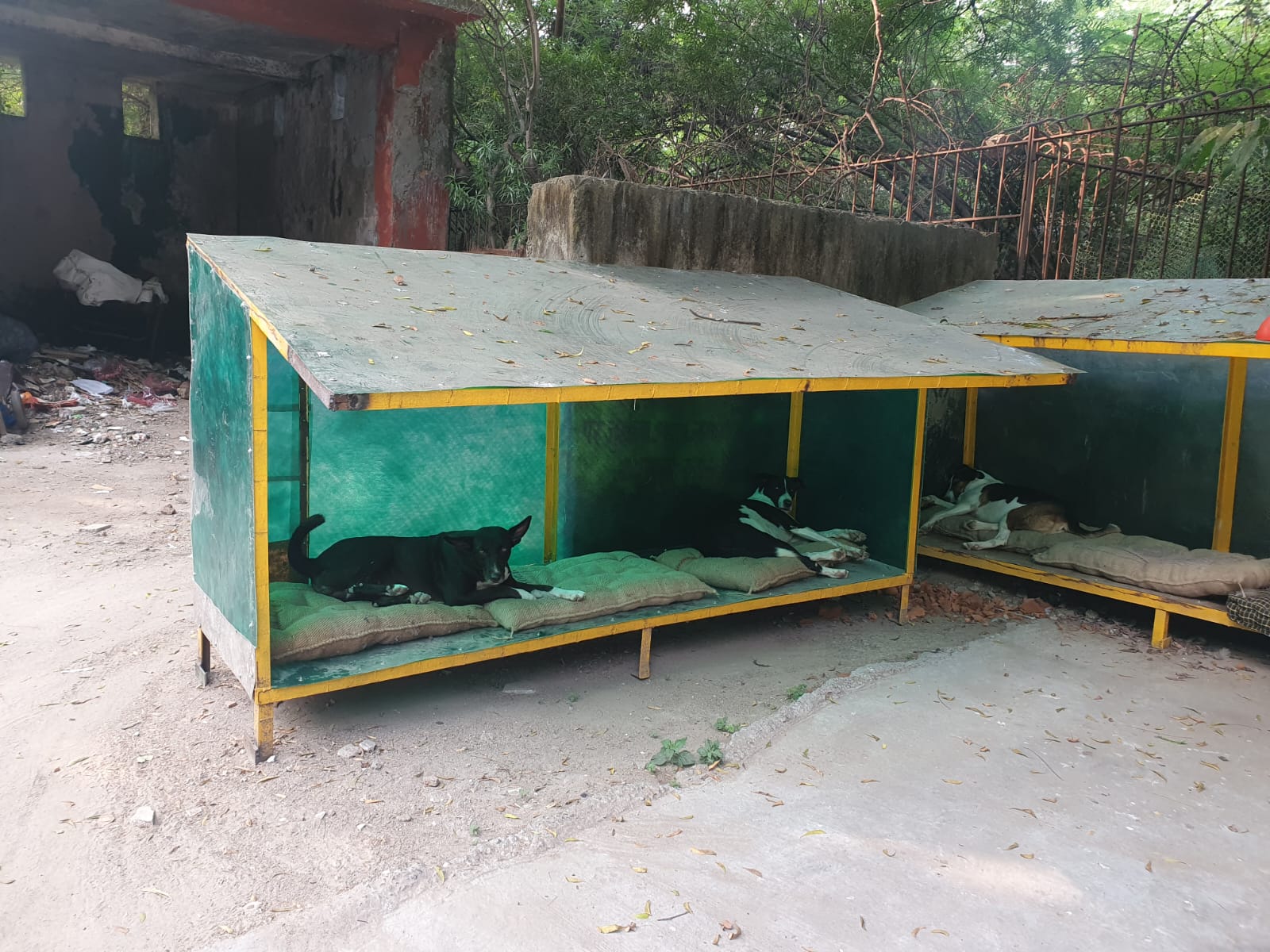
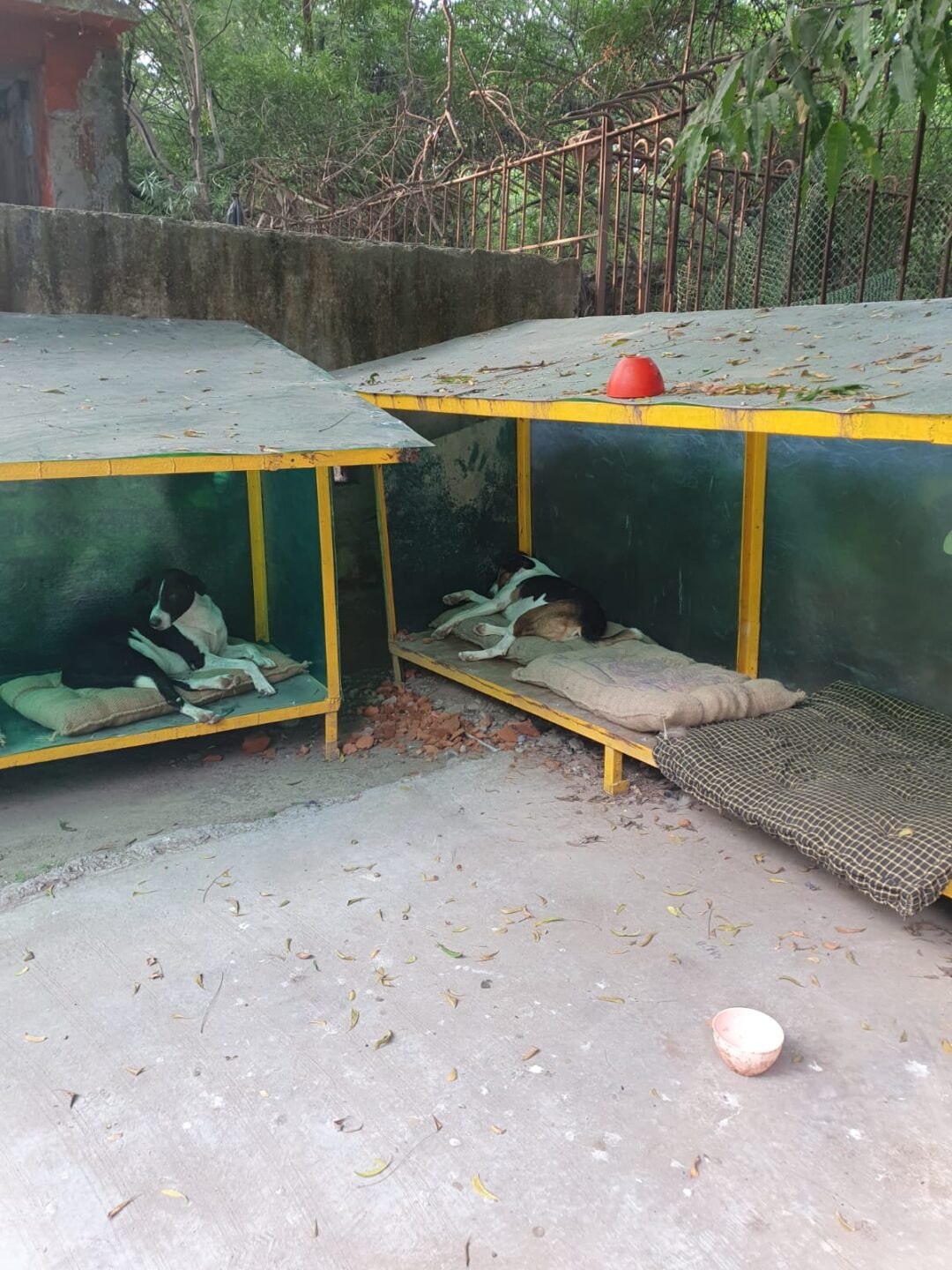
An example of a safe and secure resting spot for the community dogs that was created from scrap materials and placed in other parts of the same colony
The results? Within a few weeks, and certainly by the end of a month:
-
- Nighttime barking significantly reduced, leading to better sleep for residents.
- Dogs were calmer and healthier.
- There were no further reports of the dogs snapping or aggressive lunging or chasing.
- Community sentiment shifted – while not all residents were invested in dog care, they appreciated the proactive, structured approach.
Note: Since 2022, there have been no further complaints regarding these dogs.
Key Lessons Learnt
- Sleep is essential for dogs: In the case of these dogs, lack of rest and inappropriate/unsafe rest areas seemed to contribute to barking, chasing and lunging/snapping behaviours. Creating comfortable, safe sleeping zones made a big impact.
- The role of the RWA is crucial: A proactive, empathetic RWA Executive can drive both community engagement and humane solutions effectively.
- Feeding should be structured and strategic: Feeding dogs at doorsteps leads to guarding behavior and territorial aggression. Moving feeding points away from homes to more neutral ground and hiring an external feeder who didn’t live in the community helped de-escalate tensions.
- Physical demarcation helps define space: Whether it was a road barrier or a quieter lane with bedding, dogs responded well to designated spaces.
- Community inclusion and education work: By involving both dog caregivers and neutral residents in the solution process, misunderstandings were addressed and empathy was built.
This case from DDA Saket shows that when humans and animals live in close quarters, intentional planning, community effort, and compassionate leadership can make coexistence not just possible, but peaceful.
To meet Chilli, Oldie, Pepper, Pinku, Pantar and Saint online and know more about the work done through the Stray Buddy program of the NGO All Creatures Great and Small in this community and its impact, follow these links:
https://www.instagram.com/reel/DJO6d0LS36F/?utm_source=ig_web_copy_link&igsh=MzRlODBiNWFlZA==
https://www.instagram.com/reel/DG0WwfPyFgc/?utm_source=ig_web_copy_link&igsh=MzRlODBiNWFlZA%3D%3D