
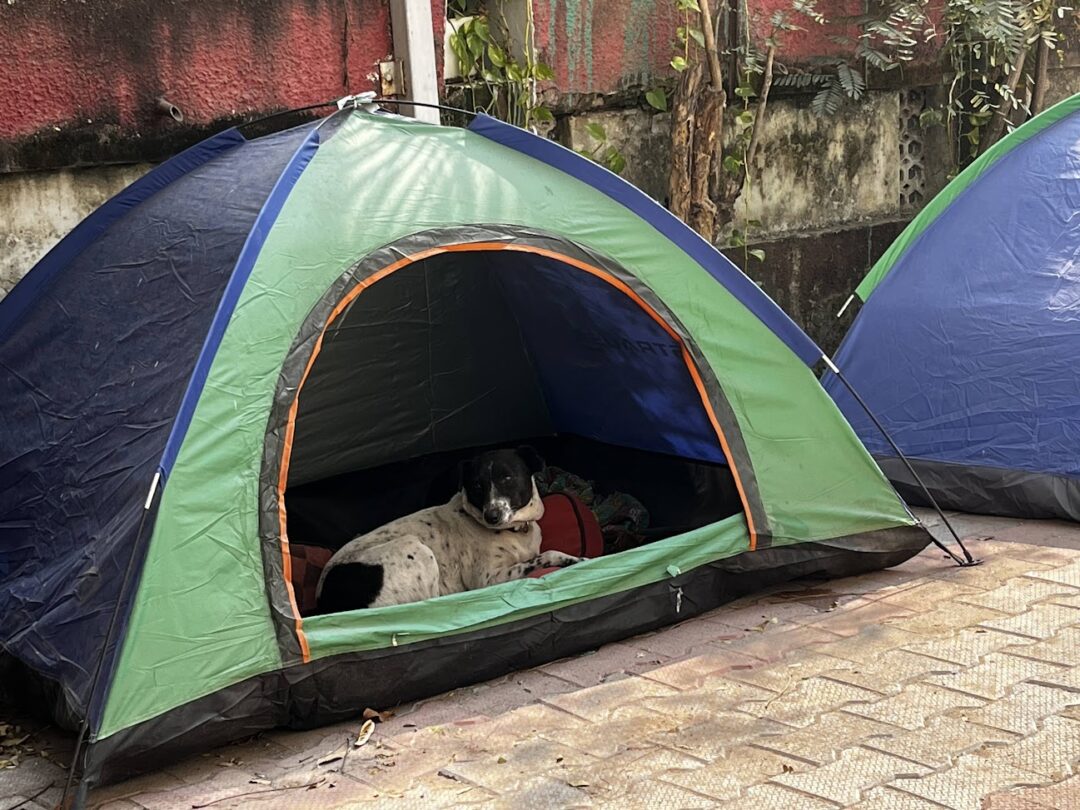
If you’ve ever read headlines proclaiming that The Netherlands became the first country in the world with no stray dogs, you might have wondered whether that achievement could be replicated in other countries, including India. On the surface, it sounds like an inspiring success story — humane and systematic dog population management leading to a country with no free-roaming, unowned dogs. But when you dig deeper into the nuance of how and why this happened in The Netherlands, the differences with India’s ecological, social, cultural, and legal landscape become glaringly clear.
In fact, not only is this not a model India can follow one-to-one, it’s worth questioning whether being stray-dog-free is even the right objective for India. What India should strive for — and can realistically aim for — is being rabies-free, conflict-free, and cruelty-free.
What Really Happened in The Netherlands
First, let’s unpack what’s meant by a “stray-dog-free” Netherlands.
This outcome was not the result of a short, targeted campaign that suddenly swept stray dogs off the streets. Rather, it was the fruit of a long, evolving, multi-pronged system rooted in law, civic practice, policy enforcement, and cultural shifts that span nearly two centuries.
In the 1800s, The Netherlands began strengthening legal protections for animals, responding to rabies outbreaks and a growing public concern about cruelty. Municipal rules on dog registration, penalties for abandonment and cruelty, and a growing network of animal welfare organizations laid the groundwork for sustained action. Over decades, a culture of responsible pet ownership took hold: microchips, compulsory registration, mandatory vaccination and sterilization, and enforcement mechanisms became standard.
Crucially, these policies were backed by:
- Political support for animal rights, including dedicated advocacy groups and even a political party representation
- Cultural norms that emphasize civic responsibilities and a zero-tolerance attitude to animal cruelty
- Strong enforcement of animal welfare and cruelty laws and a mandated police squad
- Institutional infrastructure (shelters, adoption programmes, veterinary services)
- Public education campaigns about responsible pet ownership
These elements together shaped a system where unowned, free-roaming dogs became extremely rare.
But—and this is important—The Netherlands is a small, highly urbanized, and relatively homogeneous country. It has robust animal welfare laws backed by credible enforcement agencies and a general civic culture of compliance with rules. That context matters a great deal.
A Personal Shift in Perspective
As a Dutch national who grew up in a country without free-living dogs and who now holds permanent residency in India, my own thinking on this issue has undergone a complete transformation. I was raised within the common modern Western belief that dogs properly belong inside homes — confined, supervised, and defined primarily as pets. Living in India challenged that assumption at its core.
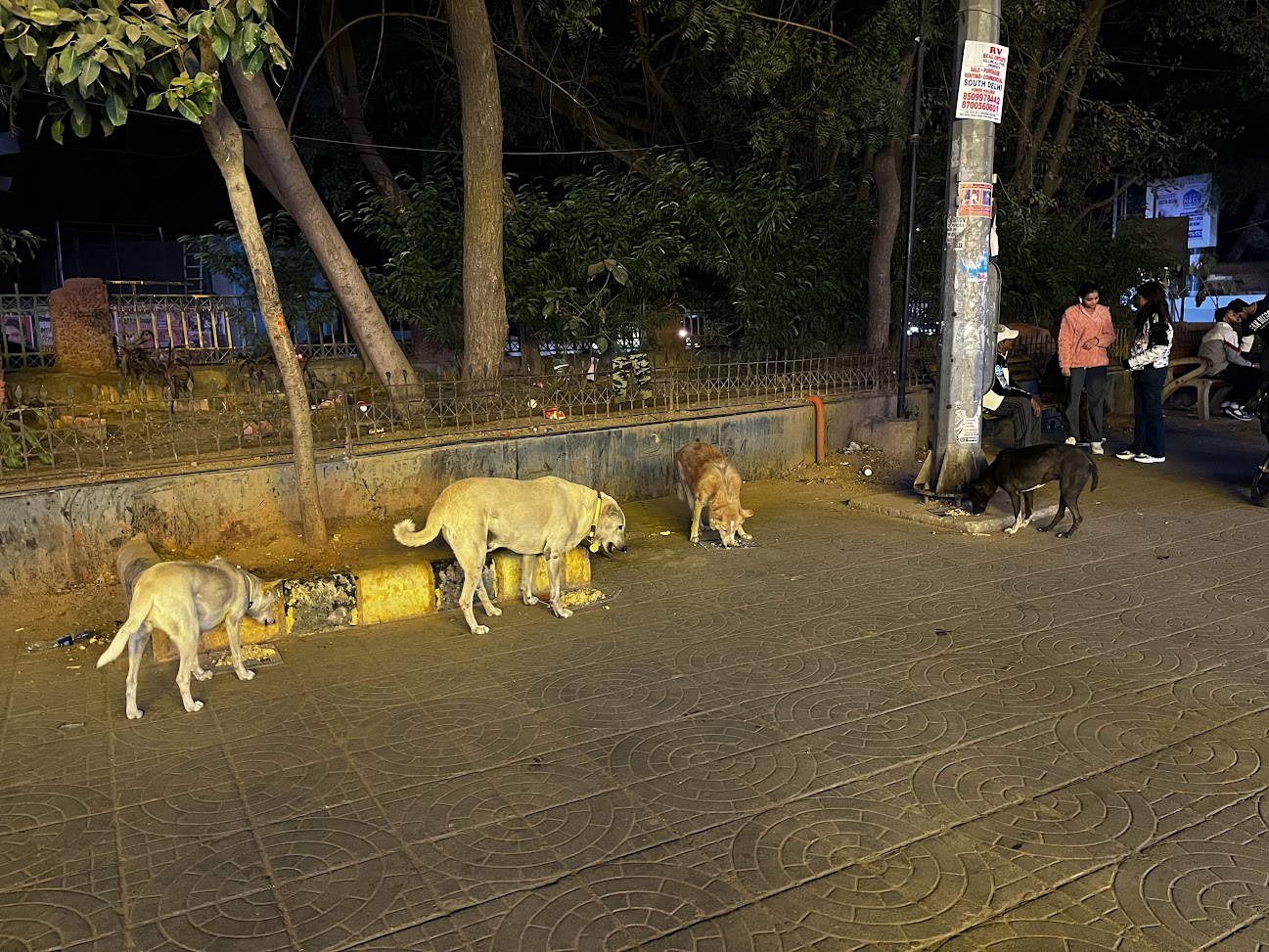
Over time, I came to understand dogs not merely as owned companion animals, but as a free-living domesticated species that has co-evolved alongside human settlements for thousands of years. In India, that ancient relationship is still visible and alive.
Seeing dogs only as pets to be owned as property and confined within private homes risks overlooking their agency — their ability to navigate, choose, socialize, and inhabit shared human spaces. Welfare is not determined solely by access to sofas and controlled diets. For many dogs, autonomy, territory, and social bonds within a human-dominated landscape are equally important determinants of well-being.
The cultural acceptance and ecological integration of free-living dogs into India’s urban and rural ecosystems is something I have learned to appreciate deeply since settling here. My ambition is no longer to see them disappear from the streets — not through eradication, not through forced removal, and not even through the gradual invisibility that might come from aggressive population suppression combined with adoption campaigns. These dogs are not “homeless pets.” They are part of the ecological niche that humans occupy. They belong to the living fabric of our settlements, just as much as the trees, birds, cattle, and other species that share these spaces with us.
India: A Vast, Complex, and Culturally Diverse Reality
India is not a small, uniform, highly regulated country like The Netherlands. It is a continent-sized federation with vast regional differences in culture, urbanization, infrastructure, and legal implementation.
Here are some of the major contextual differences between the two countries:
- Waste Management and Food Availability
One of the most important ecological realities supporting India’s large population of free-living dogs is the abundance of food resources — not because dogs are fed intentionally everywhere, but because waste management infrastructure is inconsistent. Open dumps, unmanaged garbage including food waste on streets, alleys, and public spaces create a steady, widespread food supply for free-living dogs.
In contrast, Dutch public spaces are much cleaner. Without claiming that there is no litter, waste is managed systematically, and there’s far less accessible food waste for animals. This stark difference means that the survival ecology of free-living dogs is fundamentally different in the two countries. Where food is abundant and predictable, free-living dog populations tend to stabilize to a certain threshold called the “carrying capacity” of an area.
- The Human-Dog Relationship
In India, the relationship between people and dogs is ancient, evolving over thousands of years. Dogs have lived alongside humans in the Indian subcontinent long before formal pet breeds were popularized.
This shared history has shaped a cultural ethos where:
- Free-living dogs are widely tolerated and fulfill a role in communities as alerters, scavengers, and companions
- Non-violence and compassion are rooted in ancient religious beliefs and cultural practices
- Many citizens feel a moral obligation to care for dogs in their neighborhood
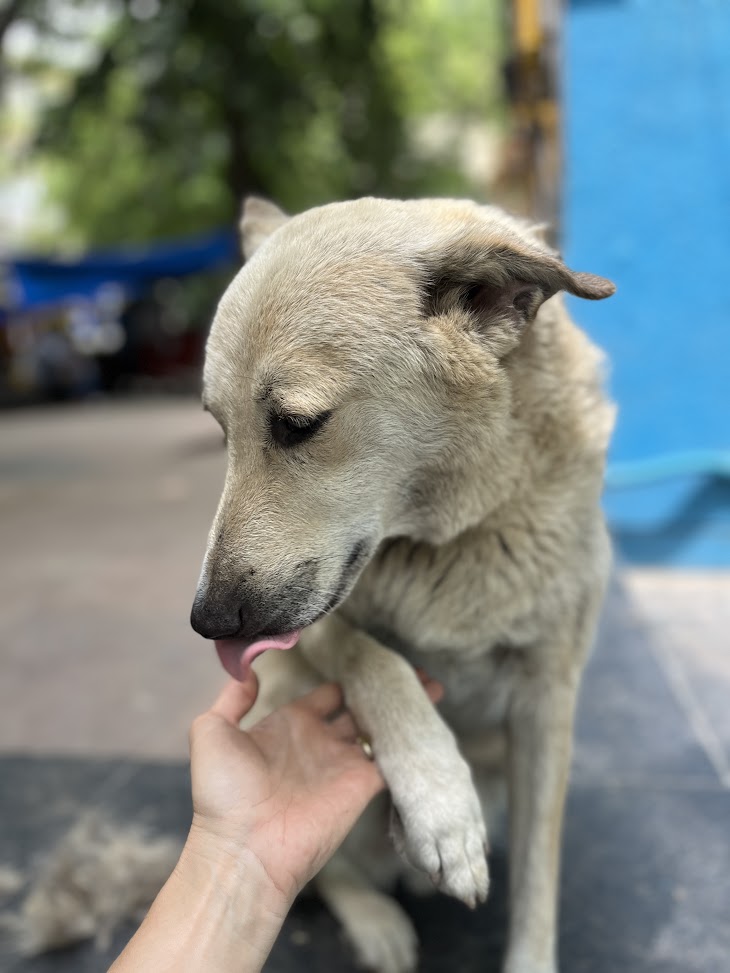
This relationship is embedded in daily life — in urban lanes and rural fields alike — and reinforced by social norms. Instead of seeing street dogs as nuisances to be eliminated, many Indians see them as part of their living environment, deserving of respect and care.
Contrast this with The Netherlands, where the vast majority of dogs have historically been “owned” in the narrow legal sense, with well-defined obligations for confinement, supervision, and veterinary care.
- The Legal and Policy Landscape
In The Netherlands, the framework that reduced free-roaming dogs was built on laws and enforcement:
- Animal cruelty laws are strict, enforced by trained officers of a mandated police squad
- Responsible ownership is clearly defined and systematically regulated
- Dog breeding and sale are regulated, and abandonment is criminalized
- Adoption is encouraged through campaigns and structural support
- Shelters and welfare organizations are partners in public policy
India’s legal landscape is very different. In India:
- The legal distinction between “owned” and “unowned” dogs is fluid in practice
- Many dogs that are technically “owned” run freely without supervision
- “Unowned” dogs may be fed by multiple people who consider them community owned dogs
- Laws related to pet breeding are often poorly enforced
- Animal birth control policies exist, but are unevenly implemented
- Adoption of dogs from shelters — especially of indigenous (“Indie/Desi”) dogs — is not a widespread culture
- Enforcement of animal cruelty laws is inconsistent
In short, the institutional support system for responsible ownership — from registration to enforcement — is still developing, whereas in the Netherlands it’s been decades in the making.
- Cultural Preferences and Adoption Practices
In India, many prospective dog owners prefer pedigree or breed dogs, often sourced through informal sales or even illegal breeding, rather than adopting the abundant free-living dogs. Adoption from shelters, especially of street dogs (often called Indies or Desi dogs), is still not widely embraced culturally.
In The Netherlands, as responsible ownership took hold, adoption from shelters was encouraged and socially reinforced as positive choices. Policies and communication campaigns supported these norms. In India, such cultural reinforcement for Indies/Desi dogs is just beginning.
Success Story or Unintended Ecological Side-Effects?
While there is no direct scientific study establishing a causal link, it is worth asking whether the long-term disappearance of free-living dogs in The Netherlands may have subtly altered urban and peri-urban ecological balances.
Free-living dogs, as territorial scavengers and opportunistic predators, can influence rodent dynamics, compete with feral cats, and function as a deterrent presence at the edge of human settlements. In their absence, could rodent populations have expanded in certain niches? Have stray or free-roaming cats filled parts of that ecological space? And as wolves naturally recolonise Dutch landscapes after ~150 years, is it conceivable that the absence of a mid-sized territorial canid in towns has slightly reshaped how these larger carnivores approach human-dominated areas?
These are not conclusions, but questions. As The Netherlands is often celebrated as a “stray-dog-free” success story, it may also be worth opening a discussion about whether any unintended ecological side-effects have emerged — and whether such possibilities deserve closer interdisciplinary research and public debate, especially in a country like India where wildlife is abundant.
So What Should India Aim For?
The Dutch example shows how a combination of policy, civic compliance, cultural norms, and long-term commitment can dramatically reduce unowned dog populations. But India’s ecological, social, cultural and legal reality is very different. The idea of becoming stray-dog-free — as a literal target — is not just unrealistic, it may not even be desirable.
Here’s why:
- Removing a species from an ecosystem can have unintended ecological consequences — creating vacuum and rebound effects where voids are filled by others (even more dogs or other scavengers).
- India’s dogs are part of complex social-ecological networks, linked to human communities, food systems, and informal care practices.
Instead of aspiring to a purely stray-dog-free India, the focus should be on:
- Eradicating rabies through mass vaccination (a realistic and humane goal)
- Eliminating cruelty and improving enforcement of animal welfare laws
- Supporting humane population control with sterilization and vaccination
- Encouraging responsible pet ownership in culturally relevant ways
- Promoting respectful coexistence that balances animal welfare with public health and community needs