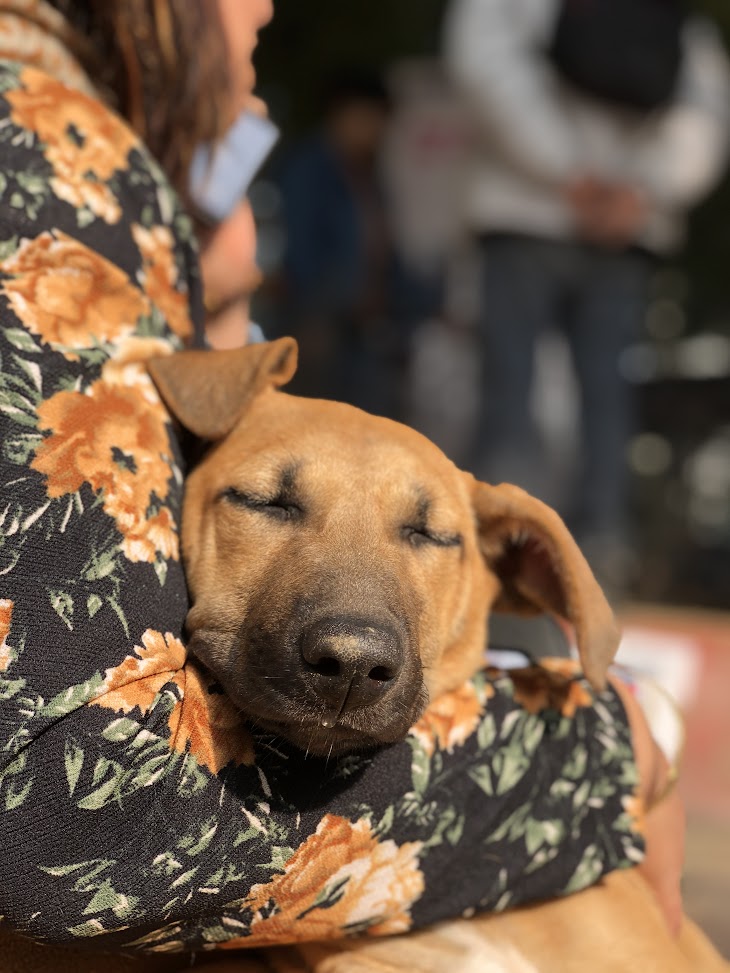
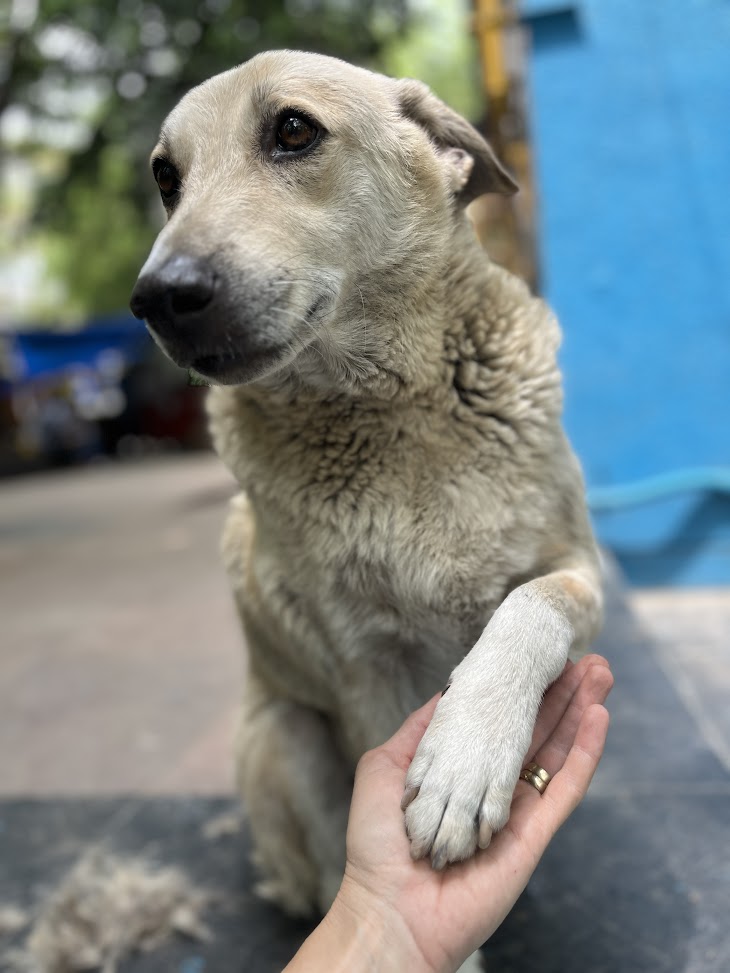
Why RWAs Matter
Residents’ Welfare Associations (RWAs) play a critical role in creating safe, harmonious and well-managed neighbourhoods. Community dogs are an integral part of many residential areas, and their presence directly affects residents’ welfare, public health, safety, and community harmony. Effective management of community dogs is, therefore. not only an animal welfare issue but also an important aspect of residents’ welfare.
Indian law already recognizes responsibilities relating to community animals. Rule 20 of the Animal Birth Control (ABC) Rules places obligations on Resident Welfare Associations and Apartment Owners’ Associations to support implementation of animal birth control, vaccination, feeding arrangements, and conflict resolution. In addition, the Delhi High Court, through its order dated 24 June 2021, directed that local Animal Welfare Committees be established to facilitate cooperation among stakeholders and address community animal issues in a structured manner.
The recent Supreme Court order did not change this.
However, many RWAs do not implement these legal responsibilities and rather keep pointing fingers at others, particularly those who feed and care for the community animals. They do not realise that the solutions to their “dog problems” can largely be found in their own area, provided that they are willing to work with residents who are familiar with the local dogs. Once a neighbourhood team is formed, government and NGO services can be more easily coordinated to stabilise the population, protect against rabies and resolve conflicts. Public health and safety and animal welfare are not opposites, they go hand in hand.
To achieve broad and sustainable implementation of the existing regulations and ensure that RWAs are taking their responsibilities seriously, a three-pathway strategy is proposed.
Pathway 1: Voluntary Partnership with Willing RWAs
The first pathway focuses on collaboration with RWAs that are willing to adopt a practical coexistence-based approach. Through the Stray Buddy model, RWAs can work with residents, caregivers, feeders, veterinarians and local authorities to:
- Map and monitor dog populations and welfare indicators.
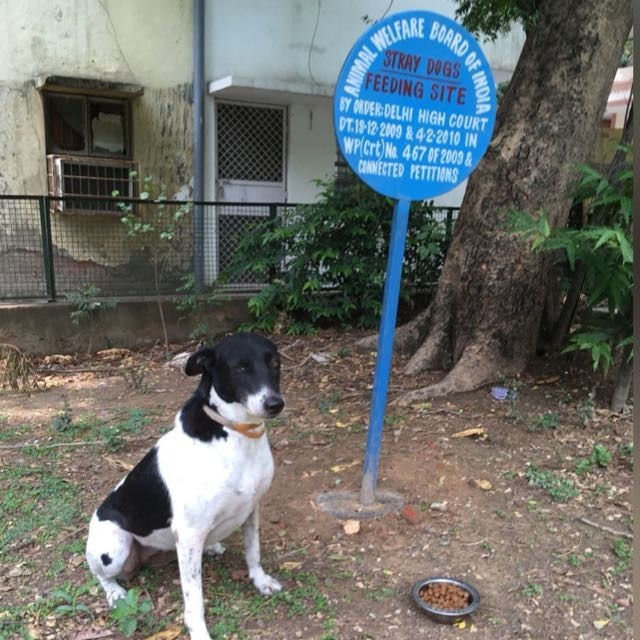
- Identify and maintain designated feeding points.
- Implement Animal Birth Control (ABC) and anti-rabies vaccination programmes.
- Improve public safety through vaccination and community engagement.
- Establish local Animal Welfare Committees including residents who are familiar with the local community animals.
- Resolve conflicts between residents and caregivers amicably, with an escalation to the authorities as “last-resort” only.
This pathway relies on voluntary participation and demonstrates that structured community dog management benefits both residents and animals.
Pathway 2: Policy and Regulatory Reform
Voluntary adoption alone cannot achieve city-wide coverage. The second pathway therefore seeks institutional reform.
The Registrar of Societies, RWA registration authorities, urban local bodies, and relevant government departments should incorporate animal welfare responsibilities into the governing framework applicable to RWAs. This may include amendments to registration conditions, model bylaws, guidelines, or regulatory frameworks requiring RWAs to:
- Comply with Rule 20 of the ABC Rules.
- Establish and maintain Local Animal Welfare Committees (LAWC) as envisaged by the Delhi High Court.
- Include caregivers, feeders, and residents familiar with the local dog population in these committees.
- Conduct a local dog census and maintain records.
- Facilitate ABC and vaccination efforts.
- Develop mechanisms for conflict resolution and grievance management.
- Promote awareness of legal responsibilities concerning community animals.
The implementation framework developed by the Delhi High Court Implementation Committee in 2021, together with the practical resources and protocols available through the Stray Buddy model, can serve as a ready-made toolkit for policymakers and regulators and will help RWAs to execute their tasks.
Institutionalizing these responsibilities will ensure that every registered RWA has a structured mechanism for addressing community animal issues as part of its residents’ welfare mandate.
Pathway 3: Enforcement Against Illegal Activities
The third pathway focuses on addressing unlawful actions that undermine both animal welfare and public order.
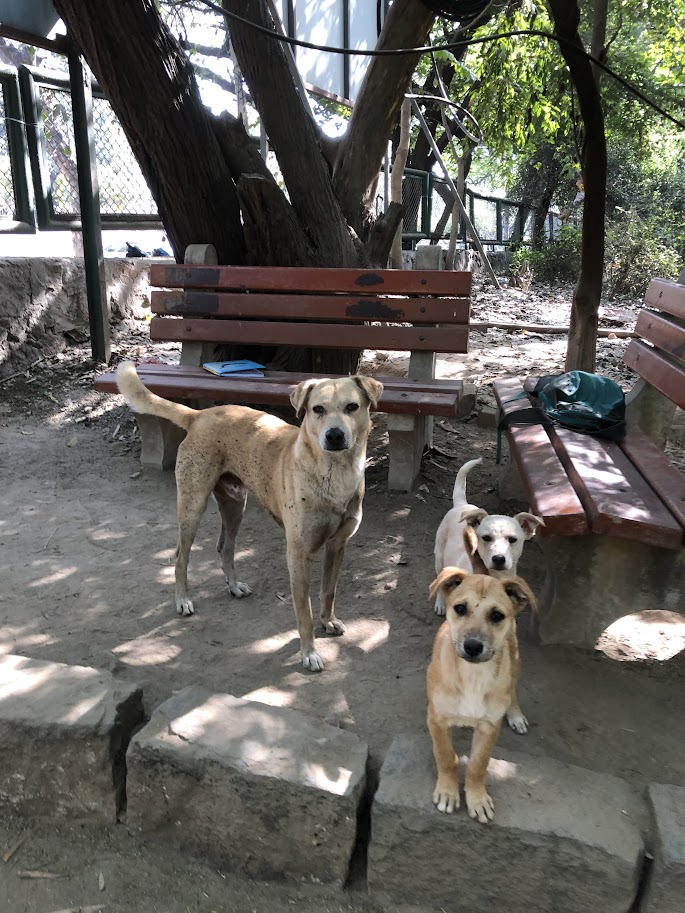
Despite clear legal protections, community dogs are frequently subjected to illegal relocation, abandonment, harassment, cruelty, maiming, poisoning, culling, and killing. Caregivers and feeders are often intimidated or prevented from carrying out lawful activities. Such actions create conflict, undermine lawful governance, and often worsen community safety outcomes.
A coordinated enforcement strategy is therefore required, involving:
- Animal welfare lawyers and legal practitioners.
- Animal welfare organizations and activists.
- Trained community volunteers.
- Evidence collection and documentation teams.
- Formal complaints, FIRs, and legal proceedings where necessary.
The objective is not confrontation, but lawful accountability. Consistent enforcement will deter illegal conduct, protect residents who act within the law, and encourage RWAs to adopt constructive management approaches instead of unlawful practices.
Working All Three Pathways Together
These three pathways are complementary and should be pursued simultaneously.
- Voluntary partnerships create successful models and demonstrate practical solutions.
- Policy reform embeds these solutions into the governance framework of all RWAs.
- Legal enforcement ensures compliance and prevents unlawful conduct.
Together, these pathways can transform community dog management from a recurring source of conflict into a structured hyper-local governance system that promotes public safety, community harmony, legal compliance, and animal welfare for the benefit of all residents.